


We continue to explore the full therapeutic potential of our candidate molecules across a range of other aging-related and muscle diseases.
Severe acute respiratory infections such as COVID-19 still cause hundreds of thousands of deaths worldwide each year. Despite vaccination, the virus continues to mutate, sustaining the risk of severe disease — particularly in frail, elderly or immunocompromised patients.
BIO101 has shown strong efficacy results in Phase II/III clinical trials: in a study of 238 patients with severe COVID-19 symptoms, the risk of death or respiratory failure was reduced by 44% compared with placebo.
Through its COVA program, BIO101 has the potential to become a treatment option for hospitalized patients with severe respiratory failure.
Duchenne muscular dystrophy (DMD) is a rare, severe genetic disease affecting approximately 1 in 5,000 newborn boys and around 220,000 people worldwide. It causes progressive muscle degeneration, leading to loss of mobility, respiratory failure and cardiac complications, with life expectancy typically limited to 25–30 years.
Despite recent advances, current treatments — including gene therapy and corticosteroids — remain controversial and are largely ineffective at slowing disease progression. In advanced stages, patients often require respiratory assistance, severely affecting their quality of life.
Through its MYODA program, BIO101 has the potential to become a treatment option to improve respiratory function in non-ambulant patients with Duchenne muscular dystrophy (DMD).
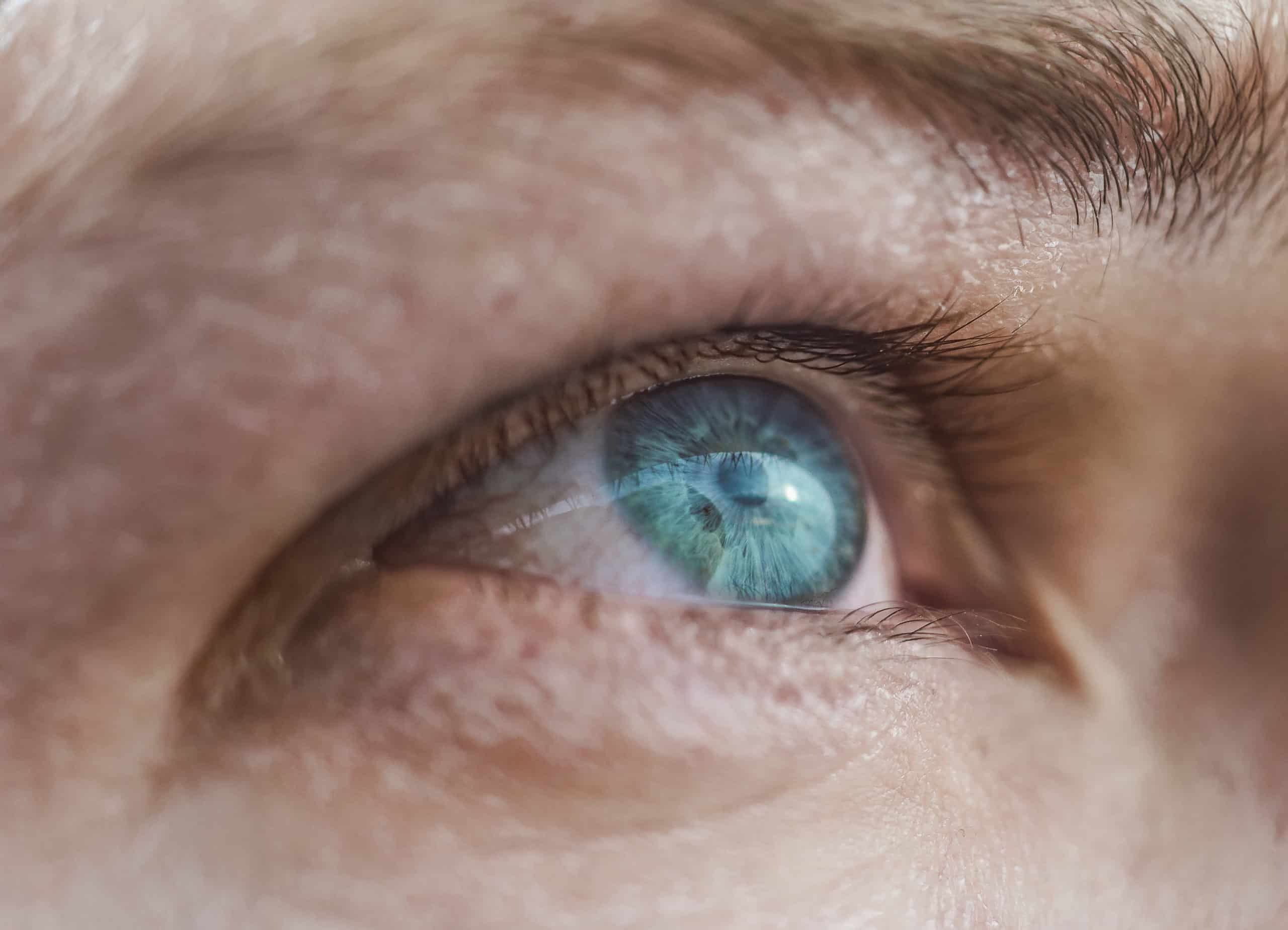
Age-related macular degeneration (AMD) is a leading cause of irreversible vision loss in people over 50, primarily affecting the macula — the central area of the retina responsible for sharp, straight-ahead vision.
It has two main forms: dry AMD, accounting for 80–90% of cases and progressing gradually through the accumulation of drusen; and wet AMD, an advanced form characterized by abnormal blood vessel growth and bleeding that causes rapid and permanent loss of central vision.
Biophytis is developing its second candidate molecule, BIO203, to address this unmet medical need by targeting the photo-oxidative and inflammatory stress that drive retinal degeneration.